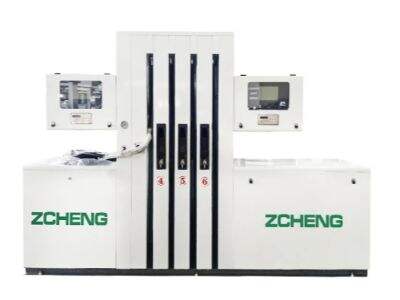
The global wholesale price for petrol dispensers, like many other product, get affected by various things. Knowing these things can helps businesses decide better on buying and selling petrol dispensers. ZCHENG is a reliable maker of these dispensers, and we see that prices change because of different reasons. For instance, raw material costs, tech changes, and market needs all influence how much a petrol dispenser cost. When buyers and sellers get these influences, they navigates the market easier.
What Are the Key Factors Affecting Global Wholesale Prices of Petrol Dispensers?
One big factor on the price of petrol dispensers is the cost of materials to build them. Makers like ZCHENG uses steel, plastic, and other parts for creating dispensers. If these material prices rises, the making cost goes up too. This leads to higher wholesale prices. Say, if steel get expensive from shortages or more demand in other fields, makers might charge extra for their dispensers. Another thing is technology; new features and betterments makes fuel dispenser more efficient or user-friendly. These advances can raise costs, since more research and development needed.
Demand plays a key role too. If more gas stations builds or old ones upgrade their dispensers, demand for petrol dispensers rises. When demand increases, prices usually follows. But if gas stations numbers drop or people switch to electric vehicles more, demand might fall, causing lower prices. International trade rules affects prices as well. Tariffs on import parts can make production costlier, impacting the total price. Last, currency exchange rates matters. If a country's currency value shifts, it can make buying products from there cheaper or pricier, including petrol dispensers.
How Market Trends Influence the Wholesale Price of Petrol Dispensers
Market trends has a strong effect on the wholesale price of petrol dispensers. For example, the grow in electric vehicles changes the fuel dispensing scene. As folks pick electric cars more, demand for usual petrol dispensers may drop. This shift can bring prices down because less are sold. On the other side, if gasoline use surges, maybe from more travel or delivery services, demand for dispensers might jump, driving prices up.
Another trend is the push for greener choices. Makers like ZCHENG often works on dispensers that saves energy or cuts fuel waste. These special ideas costs a lot to create, so manufacturers may hike wholesale prices to cover it. In addition, global oil prices trends can ripple through. If oil prices climbs, fuel prices might rise too, making gas stations want better dispensers for higher transactions.
Consumer likes also matters a lot. As people get tech-savvy, they prefers dispensers with cool features like touchless payments or app integrations. Demand for these modern stuff can push up prices for equipped dispensers. So, watching these trends helps companies like ZCHENG stay ahead and handle changes in wholesale prices for petrol dispensers.
How Supply Chain Dynamics Affect Wholesale Petrol Dispenser Costs
The supply chain is like a long path that products takes from factory to sale spot. For petrol dispensers, it involves many steps. Parts gets made, then shipped to factories, put together into fuel dispenser pump, and sent to stores or gas stations. Each step can change the price of petrol dispensers. If a delay happens from bad weather or factory issues, it slows everything. This makes costs higher as people works extra to fix it.
When firms like ZCHENG orders parts, they wants them timely and undamaged. If parts missing or broke, it leads to more prices because replacements or rush jobs costs extra. Also, fuel prices affects shipping. Higher fuel means costlier delivery, which raises wholesale prices. With this, if suppliers for parts are few, competition drives part prices up more.
Workforce is another key in supply chain. If not enough workers to assemble petrol dispensers, production slows. That’s why prices can go up. Companies thinks about these when setting prices. They aims to sell to gas stations without losses. ZCHENG watches supply chain close to keep prices fair and products quality high.
How Economic Factors Influence the Wholesale Market for Petrol Dispensers
The economy acts like a huge engine moving money. When folks does well with jobs, they spends more. This can mean more gas stations buys new petrol dispensers. As demand rises, prices goes up. If lots of stations wants from ZCHENG, they might raise prices knowing buyers will pay.
But if economy slumps and jobs lost, spending drops. Gas stations might buy fewer dispensers, leading to lower prices. ZCHENG has to watch economy careful. They needs to know when to adjust prices up or down to compete.
Inflation is a major economic thing. It happens when all prices rises. If material costs for dispensers goes up, ZCHENG may have to increase theirs. Plus, interest rates, affecting borrow costs, impacts the market. High rates means gas stations hesitates on new buys. These economic bits shapes wholesale costs for petrol dispensers big time.
Common Challenges in Sourcing Wholesale Petrol Dispensers and Solutions
Sourcing petrol dispenser machine means finding and prepping them for sale. It brings several challenges. One is getting reliable suppliers. If a supplier delays or sends bad parts, it problems companies like ZCHENG. To fix, ZCHENG picks suppliers with good rep. They checks history of solid work, so trust builds for deliveries.
Another issue is keeping costs down but quality up. Sometimes, saving by cheap parts tempts, but it backfires later. Poor dispensers hurts reputation. ZCHENG handles by prioritizing quality and balancing cost with performance. They puts money in good materials and trained workers for reliable dispensers.
Last, regulation changes poses challenges. Governments might update rules on dispenser function or safety. ZCHENG stays updated and adapts fast. They ensures products meets standards, so sales continues smooth. By facing these head-on, ZCHENG keeps providing top petrol dispensers to customers.
Table of Contents
- What Are the Key Factors Affecting Global Wholesale Prices of Petrol Dispensers?
- How Market Trends Influence the Wholesale Price of Petrol Dispensers
- How Supply Chain Dynamics Affect Wholesale Petrol Dispenser Costs
- How Economic Factors Influence the Wholesale Market for Petrol Dispensers
- Common Challenges in Sourcing Wholesale Petrol Dispensers and Solutions
