Global Safety Certifications for Professional Petrol Pump Fuel Dispensers
Why Global Safety Certifications Matter?
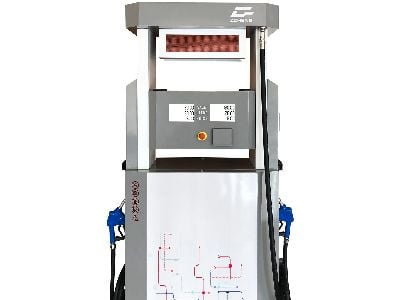
Fuel dispensers play a critical role in delivering fuel safely and accurately at service stations. Every ZCHENG
Fuel Dispenser is designed to meet strict international safety and quality requirements, ensuring reliable operation in demanding environments.
Global certifications verify that equipment has undergone rigorous testing for electrical safety, measurement accuracy, durability, and explosion protection. These standards help fuel station operators reduce operational risks while improving customer confidence.
Some of the most recognized certifications include ISO standards for quality management, ATEX certification for equipment used in hazardous environments, UL certification for electrical safety, and CE marking for compliance within European markets. These certifications demonstrate that a Fuel Dispenser has been independently evaluated to meet internationally accepted safety requirements.
Choosing a Certified Fuel Dispenser Supplier
Selecting a reliable supplier is essential for ensuring long-term equipment performance. ZCHENG manufactures certified fueling equipment that complies with recognized international standards while providing dependable technical support and after-sales service.
Before purchasing, buyers should review product certifications, manufacturing capabilities, warranty coverage, and maintenance support. Visiting industry exhibitions, reviewing customer feedback, and requesting product documentation can also help verify supplier credibility.
Businesses that operate liquefied petroleum gas fueling systems should also ensure access to quality LPG Dispenser And Parts, as certified components improve system reliability, safety, and long-term maintenance efficiency.
Working with an experienced manufacturer ensures access to quality products that deliver accurate fuel measurement, reliable operation, and long service life.
How Safety Certifications Improve Fuel Dispenser Performance
Certified fuel dispensers are manufactured using high-quality materials and advanced engineering to improve both safety and operational efficiency. Certification processes verify that equipment performs accurately while minimizing risks such as fuel leaks, electrical hazards, and system failures.
Modern certified dispensers also incorporate advanced monitoring systems that improve operational management and simplify maintenance. These technologies help fuel station operators identify potential issues early, reducing downtime and maintenance costs.
By meeting international certification requirements, ZCHENG products provide consistent performance while helping fuel station owners comply with industry regulations and safety standards.
Preventing Common Problems with Certified Equipment
Using certified fuel dispensers helps prevent many of the common problems encountered at fuel stations. Properly certified equipment reduces the risk of fuel leakage through high-quality sealing systems and precision manufacturing.
Accurate fuel measurement is another important benefit. Certified dispensers undergo calibration and testing to ensure customers receive the exact amount of fuel they purchase, improving transparency and customer trust.
Many certified systems also include automatic safety functions that stop fuel flow during abnormal operating conditions, helping prevent accidents and environmental contamination.
For businesses that require flexible fueling infrastructure, a Mobile Fuel Station(Skid) provides a practical solution by combining fuel storage and dispensing in a portable system while maintaining compliance with safety regulations.
Before purchasing wholesale equipment, buyers should verify product certifications by reviewing official documentation, requesting certification records from the supplier, and confirming certification status through the issuing organizations when necessary.
Choosing certified fueling equipment from ZCHENG helps fuel station operators improve safety, maintain regulatory compliance, reduce maintenance costs, and provide reliable service for customers over the long term.